Social Skills for Preschoolers: 5 Essential Skills Every Child Learns Early
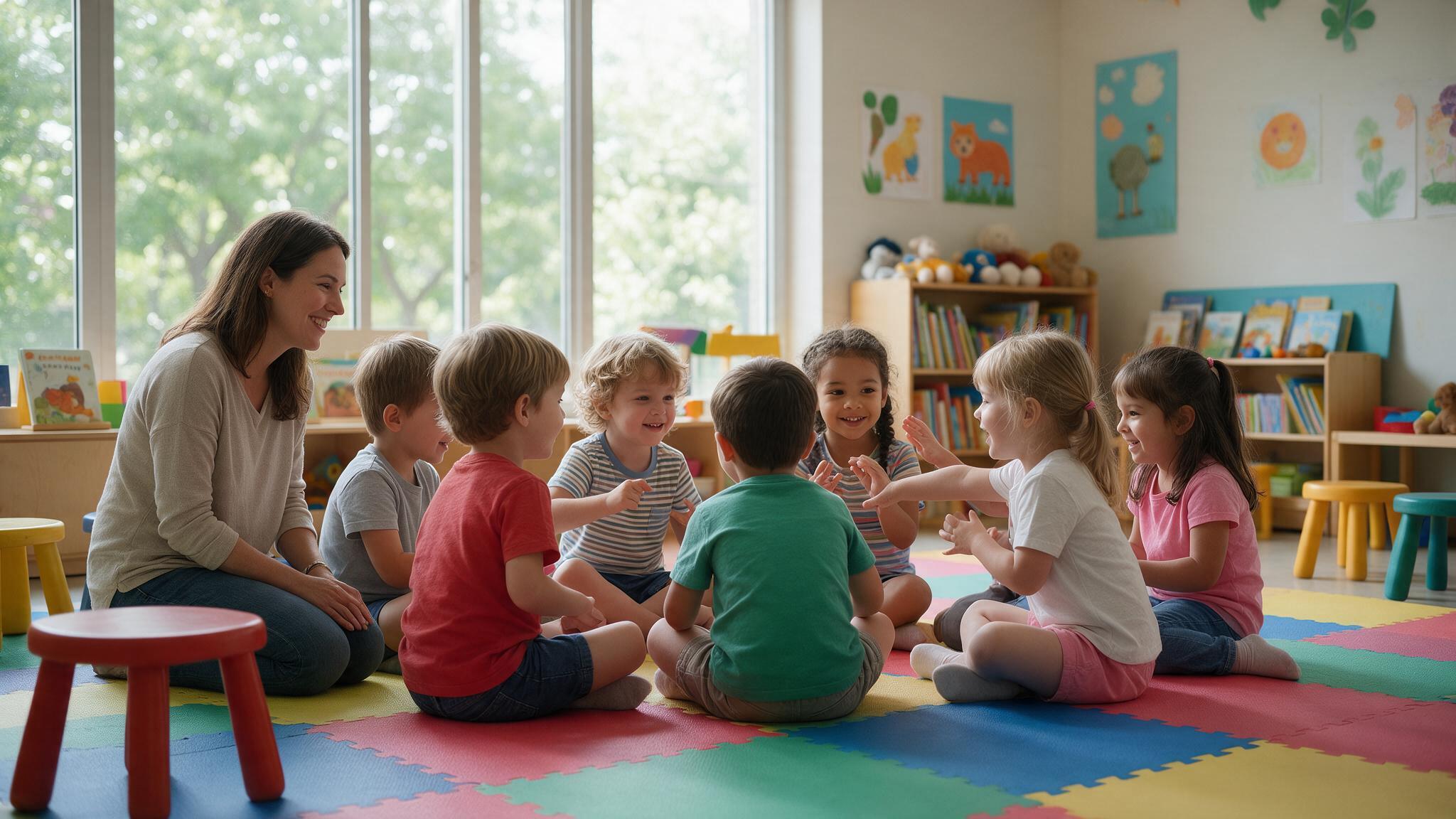
Most parents think preschool is about alphabets, numbers, and writing. Until the first few weeks begin. A child who was talkative at home suddenly became quiet.
Some refuse to share.
Some don’t know how to ask for help.
And some just sit alone, unsure of what to do.
This is where the real learning starts. Before academics, children need to learn how to be around people. That’s exactly why social skills for preschoolers matter so much in the early years.
Why Social Skills Matter More Than You Think
Many parents assume children will “pick it up naturally.”
But here’s what actually happens in real classrooms:
- A child struggles to wait for their turn
- Another gets upset when someone touches their toy
- Some don’t know how to express basic needs
- Many take time to adjust to group environments
These are not problems. They are starting points.
This is where social skills early childhood development becomes critical. Preschool gives children a structured environment to practice real-life interactions every day.
Without this exposure, children may find it harder to adjust socially when they enter formal schooling.
Skill 1: Sharing and Cooperation
Sharing is one of the first challenges children face.
At home, everything is theirs.
In preschool, everything is shared.
That shift is not easy.
Children learn:
- Taking turns
- Sharing toys and materials
- Participating in group activities
What most people don’t realize:
Telling a child to “share” doesn’t work. They learn it through repeated experiences.
What works in real life is creating situations where sharing becomes natural.
How Bright Kid Mont supports this:
Through structured group activities and shared materials, children gradually understand cooperation without pressure or force.
Skill 2: Communication Skills
Many children feel things deeply—but don’t know how to express them.
This leads to:
- Crying instead of speaking
- Frustration during play
- Hesitation to ask for help
A key part of What are the social skills of a preschooler is the ability to communicate clearly.
In preschool, children learn:
- How to express thoughts and emotions
- How to listen to others
- How to respond in conversations
Some children take weeks just to start speaking in a group.
How Bright Kid Mont supports this:
Through storytelling, guided conversations, and interactive learning, children slowly build confidence in expressing themselves.
Skill 3: Empathy and Understanding Others
Empathy doesn’t develop overnight.
It builds slowly through experience.
Children begin to understand:
- Others have feelings too
- Actions can affect others
- Kindness matters
You’ll start noticing small but important changes:
- Comforting a friend
- Sharing without being asked
- Saying sorry and meaning it
What actually builds empathy:
Role-play, group activities, and guided teacher interaction.
How Bright Kid Mont supports this:
Teachers help children recognize emotions and respond appropriately, instead of just correcting behavior.
Skill 4: Following Rules and Self-Discipline
At home, routines are flexible.
In a classroom, consistency matters.
Children learn:
- Waiting for their turn
- Following simple routines
- Respecting boundaries
This is not about strict discipline. It’s about building self-regulation.
What usually goes wrong:
If rules are forced, children resist.
What works instead:
Consistent routines and positive reinforcement.
How Bright Kid Mont supports this:
A structured yet child-friendly environment helps children understand routines without feeling restricted.
Skill 5: Building Friendships
Making friends is a big milestone.
Not every child finds it easy.
Some:
- Stay quiet
- Observe others
- Take time to open up
But over time, preschool helps children:
- Start conversations
- Join group play
- Build trust
Friendships teach:
- Cooperation
- Conflict resolution
- Emotional security
Real insight:
Children who build friendships early tend to feel more confident and secure in school environments.
How Bright Kid Mont supports this:
Through social play and collaborative activities, children naturally build connections with peers.
Choosing the Right Preschool Makes a Bigger Difference Than You Think
Many parents searching for good preschools in bangalore focus on infrastructure or academics.
But what really matters is:
- How teachers handle children’s emotions
- How activities are structured
- How social interaction is encouraged
Without the right system, even good activities can become unstructured play.
This is where having a structured approach makes a real difference.
At Bright Kid Mont, the focus is not just on learning—but on helping children adapt, communicate, and grow confidently in a group environment.
Conclusion
Children don’t struggle in school because they lack knowledge.
They struggle because they don’t know how to:
- Express themselves
- Adjust in groups
- Build relationships
That’s why social skills for preschoolers are not optional—they are essential.
If you’re exploring options with preschool admission open, look beyond academics.
Because the right start isn’t about learning faster.
It’s about learning how to connect, communicate, and grow with confidence.
FAQs
1. What are the social skills of a preschooler? ▼
Preschoolers develop skills like sharing, communication, empathy, following rules, and building friendships through daily interactions.
2. Why are social skills important in early childhood? ▼
They help children build confidence, form relationships, and adjust easily to school environments.
3. How do preschools teach social skills? ▼
Through group activities, storytelling, role-play, and guided interactions that encourage communication and cooperation.
4. What if my child is shy in preschool? ▼
It’s normal. Most children take time to adjust. With the right environment and support, they gradually become more comfortable.
5. When should I start focusing on my child’s social development? ▼
Early childhood (ages 2–6) is the best time, as children are most receptive to learning social behaviors during these years.