Best Preschool Franchise for Tier 2 and Tier 3 Cities: Investment, Demand, and Growth Potential
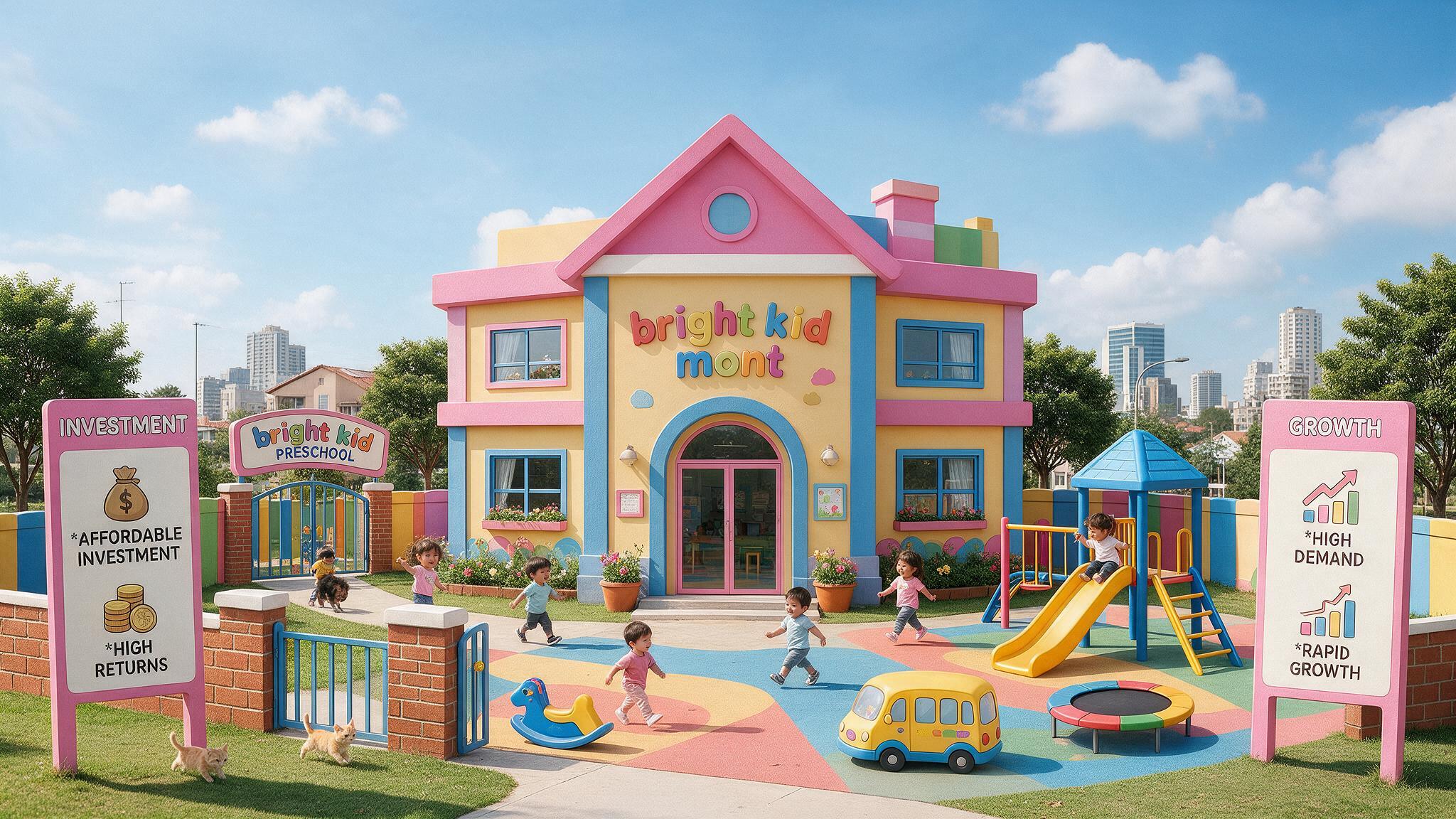
Starting a preschool is no longer an idea limited to India’s biggest cities. Parents in Tier 2 and Tier 3 cities are becoming increasingly interested in structured early learning, activity-based classrooms, and safe spaces where children can learn and interact before entering primary school.
For an entrepreneur, this creates an interesting opportunity. A preschool in a smaller city often comes with lower property and operating costs than a similar setup in a major metro. At the same time, local demand, competition, and parents’ expectations can vary considerably from one neighborhood to another.
So, what should you look for when comparing the top preschool franchise opportunities in India in 2026? The answer isn’t simply picking the brand with the biggest name or the lowest headline fee. Your budget, property, local demand, curriculum, ongoing support, and plans for future growth all matter.
At a Glance: Key Comparison Benchmarks
- Property Needs: Typically 1,500 to 3,500 sq. ft. (Ground floor with outdoor space is ideal).
- Understanding Costs: Package fee vs. actual setup budget (rent, furniture, interiors).
- Royalty Models: Percentage-based share vs. zero-royalty structures.
- Bright Kid Mont Benchmark: Flexi-Franchise options start at ₹1 Lakh + GST, alongside structured Rural, Urban, Standard, and Elite tiers ranging up to ₹6.25 Lakh + GST. Operates on a zero percentage-based royalty structure with partner-average break-even timelines of 12 to 18 months.
1. Why Are Tier 2 and Tier 3 Cities Good for Preschool Franchises?
So, what makes smaller cities so attractive for early childhood education? Several trends are driving this growth:
- Growing Parent Awareness: Parents in regional hubs are prioritizing foundational learning and developmental play long before formal schooling starts.
- Changing Household Needs: As nuclear setups and dual-income families increase, the demand for safe, structured preschools and extended daycare options grows.
- Manageable Overhead Costs: Rent, deposits, and initial civil work in non-metros are generally more budget-friendly than in Tier 1 cities, making cash flow easier to manage in the early months.
- Community-Led Growth: Word-of-mouth spreads fast in smaller cities. A center that builds a good reputation with parents often sees strong referral admissions year after year.
A Quick Tip on Location: A city might have huge overall demand, but that doesn’t mean every neighborhood needs another preschool. Before locking in a site, take a close look at competing schools within a 2 to 3-kilometer radius to understand local fees and demand.
2. What Does It Cost to Start a Preschool Franchise?
The first thing to understand is that the franchise fee isn’t the whole story. This is where many first-time edupreneurs overlook important setup expenses. A realistic budget separates what the franchisor provides from your local setup costs.
Total Setup Capital Structure
Opening an operational center requires budgeting across two distinct financial categories:
- Franchisor Package Fee: Brand usage rights, curriculum materials, initial teaching kits, onboarding training, and system access.
- On-Ground Setup Costs: Security deposit for the building, interior work, safety fittings, furniture, decor, marketing, and working capital.
The Real Setup Checklist
Before committing to a property or signing an agreement, make sure your budget covers these core items:
- Franchise / Package Fee: Your initial payment to the brand for onboarding, learning kits, curriculum access, and staff training.
- Property Rent & Deposit: Security advance and lease commitments for a 1,500 to 3,500 sq. ft. space.
- Interiors & Safety: Child-safe flooring, soft wall padding, child-friendly restrooms, safety gates, and play equipment.
- Local Licenses & Signage: Municipal approvals, outdoor branding, and administrative setup.
- Pre-Launch Marketing & Working Capital: Funds set aside for local promotions, launch events, staff salaries, and running expenses for the first few months.
3. How to Compare Top Preschool Franchises
Before choosing a partner, it helps to compare brands across these key operational areas:
| What to Look At | Why It Matters |
| Entry Cost | Compare the headline package fee against the total capital you’ll actually need to open. |
| Space Requirements | Check minimum floor area, layout guidelines, and safety criteria. |
| Curriculum | Look for activity-based methodologies, Montessori tools, and alignment with NEP guidelines. |
| Royalty Structure | Does the franchisor take a percentage of monthly tuition fees, or is it a zero-royalty model? |
| Teacher Training | Will your staff receive ongoing training, or just an initial orientation? |
| Marketing Support | Look for help with both digital lead generation and local promotional materials. |
| Technology Apps | Ensure there are simple tools for parent communication and center management. |
| Future Expansion | Can you easily add daycare, summer camps, or after-school activity clubs later? |
| Brand Footprint | Check the franchisor’s track record and active network footprint. |
| Geographic Fit | The same principles apply whether you are looking at a preschool franchise in Chennai, a neighborhood in Bangalore, or a regional Tier 2/3 town. |
Where Bright Kid Mont Fits
If you’re working with a smaller budget or looking for a flexible setup, Bright Kid Mont offers multiple package tiers designed around different operational needs:
- Flexi-Franchise Option: Entry plans starting at ₹1 Lakh + GST for low-footprint setups.
- Structured Tiers:
- Rural Impact Package: ₹2.24 Lakhs + GST (Academic support, 70 Montessori items, 46 furniture pieces, and 7 play items).
- Urban Impact Package: ₹3.24 Lakhs + GST (Academic support, 76 Montessori items, 65 furniture pieces, and 10 play items).
- Standard Package: ₹5.10 Lakhs + GST (Expanded materials, 70 furniture pieces, soft mats, and wall decor).
- Elite Package: ₹6.25 Lakhs + GST (Full setup allocation including 90 Montessori materials, 85 furniture pieces, and 20 play items).
Bright Kid Mont follows a zero-royalty model, so franchise partners don’t have to give away a percentage of their monthly tuition collections. This can be particularly helpful for new centers that are building up their enrollment base. The brand’s official site lists a national network of 400+ centers.
4. Is a Preschool Franchise Profitable in Smaller Cities?
Lower rent doesn’t automatically mean a profitable center. Understanding preschool economics comes down to managing your fixed monthly costs against what you earn per student.
So, How Many Students Do You Actually Need?
A simple calculation can give you a rough idea of your break-even point.
Formula
Required Enrollment = Monthly Fixed Operating Costs / Average Monthly Net Fee Per Child
A Quick Example (For Planning Purposes Only)
- Monthly Fixed Expenses: ₹1,50,000 (Rent: ₹60,000 + Staff Salaries: ₹70,000 + Utilities/Marketing: ₹20,000).
- Average Net Monthly Fee per Child: ₹3,750 (after deducting student kit costs and consumables).
Calculation: ₹1,50,000 ÷ ₹3,750 = 40 enrolled children
In this scenario, the center needs 40 enrolled children to cover its monthly running costs. Anything beyond that contributes to your net margin.
Breaking Even: Bright Kid Mont notes that partners generally reach operational break-even within 12 to 18 months. Of course, no two centers reach break-even at the exact same time—rent, local fees, staff costs, and how quickly you attract students all play a role.
5. Questions Worth Asking the Franchise Team Before You Sign
Before taking the next step, there are a few simple questions worth asking to make sure there are no surprises down the line:
- What’s included in the package? What physical materials, furniture, and learning tools come with the fee, and what do I need to buy myself?
- Are there any recurring fees? Are there additional annual support fees, software charges, or platform subscriptions beyond the main agreement?
- What territory protection do I get? Is there an exclusive geographical radius to ensure another center from the same brand doesn’t open right next door?
- How are student inquiries handled? If the main brand runs online marketing campaigns, how are those local leads shared with your center?
- What happens when teachers leave? Does the brand provide retraining for new teachers throughout the year?
- Can I add daycare or other programs later? Is there flexibility to expand into extended care, phonics clubs, or summer camps using the same facility?
6. How to Build Student Admissions in Smaller Cities
Getting admissions in a Tier 2 or Tier 3 city depends heavily on local visibility and personal connections:
- Start Marketing Before You Open: Build an inquiry list early by organizing open days, parenting workshops, and interactive activities while your venue is being set up.
- Keep Your Google Profile Updated: Most parents search online first. Keep your Google Business Profile updated with clear photos, accurate contact info, location pins, and parent feedback.
- Encourage Parent Referrals: Word-of-mouth is your strongest marketing tool. Happy parents naturally recommend good preschools to friends and family.
- Introduce Extra Programs Wisely: Once your morning preschool routines are running smoothly, consider offering daycare or weekend activity workshops to make the most of your space.
7. Common Pitfalls to Avoid
- Forgetting Working Capital: Spending your entire budget on setup without leaving a cash cushion for monthly rent and salaries during the first few months.
- Choosing Low Rent Over Safety: Picking a location purely because it’s cheap, even if it lacks parking, safe drop-off points, or residential accessibility.
- Waiting Until Launch to Promote: Delaying your marketing until the building is fully ready, instead of building parent inquiries during the buildout phase.
- Assuming City Demand Equals Local Demand: Assuming that strong demand across a whole town means your specific street won’t face local competition.
Conclusion
Tier 2 and Tier 3 cities present exciting, stable opportunities for entrepreneurs who want to start an early education business. Finding the best preschool franchise opportunity for long-term growth means choosing a partner with clear costs, practical learning materials, fair royalty policies, and reliable support. By understanding your total setup budget, calculating your break-even needs, and building genuine relationships in your local neighborhood, you can create a thriving, community-focused preschool.
FAQs
1. Which preschool franchise is best for Tier 2 and Tier 3 cities? ▼
There isn't a single "best" franchise for every town. It depends on your local rental rates, what competing schools charge, and how much capital you want to invest. You should compare package deliverables, royalty structures, teacher support, and marketing help. For flexible investment points, Bright Kid Mont offers packages starting at ₹1 Lakh + GST alongside structured options ranging up to ₹6.25 Lakh + GST.
2. How much does it cost in total to start a preschool franchise in India? ▼
Your total startup investment includes the franchise package fee plus property deposits, interior modification, safety setups, local marketing, and initial working capital. Depending on your building size and location, total startup costs generally fall between ₹5 Lakhs and ₹15+ Lakhs.
3. Which is the best preschool franchise opportunity in India in 2026? ▼
Looking for the top preschool franchise opportunities in 2026 means looking beyond just brand recognition. Look for models offering fair royalty policies, comprehensive Montessori kits, NEP-aligned curricula, dependable teacher training, and ongoing marketing assistance.
4. How much space do I need for a preschool franchise? ▼
Most organized preschool networks require between 1,500 and 3,500 sq. ft. of space. A ground-floor space in a quiet residential area with room for an outdoor play section is ideal for child safety and convenience.
5. Is a zero-royalty preschool franchise better for profit? ▼
A zero-royalty structure means you keep 100% of the tuition fees you collect instead of paying a monthly percentage to the franchisor. While this can help protect your operating margins, overall profitability still depends on managing fixed costs like rent and keeping student enrollment steady.